The Future of Public Administration in Smart Cities
- Public Diplomacy
AC-GER
- 0
- 5 minutes read
The Future of Public Administration in Smart Cities
As India rapidly urbanizes, the concept of smart cities has become a central pillar of sustainable and inclusive urban development. The Smart Cities Mission launched by the Government of India aims to leverage digital technologies and data-driven governance to improve urban life, ensure efficient public services, and enhance citizen participation. In this evolving landscape, public administration is undergoing a fundamental transformation — from traditional bureaucratic systems to agile, technology-enabled governance structures.
1. Digital Transformation of Governance
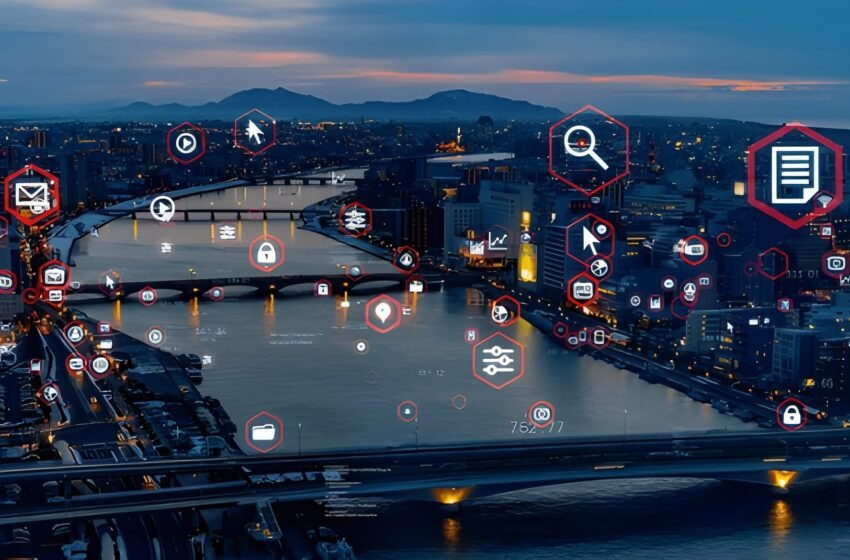
Public administration in smart cities relies increasingly on e-governance platforms, real-time data analytics, and integrated command centers. These systems enable officials to monitor traffic, manage utilities, and respond to emergencies in real time, enhancing efficiency and transparency. The shift towards data-driven decision-making ensures evidence-based policies rather than reactive interventions.
2. Citizen-Centric Administration
Smart city governance emphasizes participatory governance and co-production of services. Through mobile apps, grievance redressal portals, and digital dashboards, citizens can engage directly with urban administrators. This two-way interaction fosters accountability, inclusivity, and trust between citizens and government institutions.
3. Institutional and Skill Reforms
The new era demands a re-skilling of public administrators. Officers must develop competencies in digital literacy, data governance, cybersecurity, and cross-sector collaboration. Traditional bureaucratic hierarchies are giving way to networked governance models, where multiple stakeholders — government agencies, private sector, civil society, and academia — work collaboratively.
4. Ethical and Privacy Challenges
The integration of digital surveillance, AI, and big data analytics in public services raises ethical and privacy concerns. Public administrators will play a crucial role in ensuring data protection, algorithmic accountability, and citizen consent, aligning with India’s Digital Personal Data Protection Act (2023).
5. Towards Resilient and Adaptive Governance
Future public administration must balance technological innovation with social equity and environmental sustainability. Smart cities should not merely be tech-driven spaces but inclusive ecosystems that address housing, mobility, and climate resilience.
Conclusion
The future of public administration in India’s smart cities lies in blending digital innovation with democratic governance. Administrators must evolve from being regulators to facilitators of transformation, ensuring that the promise of smart cities translates into smart governance and smarter citizens.
Would you like me to make this article more academic journal style (with citations and references) or blog-style (simplified for a general audience)?